
WATCH 1 million+ Covid vaccines destroyed by bulldozer

Nigeria has scrapped hundreds of thousands of expired coronavirus vaccine doses, destroying more than 1 million shots en masse after officials voiced complaints about the short shelf-life of jabs donated by Western states.

A massive quantity of out-of-date AstraZeneca vaccines was trashed at a dump site in the city of Abuja on Wednesday, with a bulldozer seen crushing the medicines in footage obtained by Reuters. Officials later announced the move, an apparent bid to quell fears that the expired immunizations were being administered to residents.

“We have successfully withdrawn 1,066,214 doses of expired AstraZeneca vaccines. We have kept our promise to be transparent to Nigerians. The destruction today is an opportunity for Nigerians to have faith in our vaccination program,” said Faisal Shuaib, executive director at Nigeria’s the National Primary Health Care Development Agency.

Shuaib also told reporters that, despite knowing the doses would expire in just two weeks, Nigeria was effectively forced to take the donations, as Covid-19 vaccines remain scarce across much of Africa. The shots were delivered from multiple European countries participating in the COVAX vaccine sharing program.

Following a presidential committee meeting, Health Minister Osagie Ehanire said his country would no longer accept immunizations with such short shelf-lives.
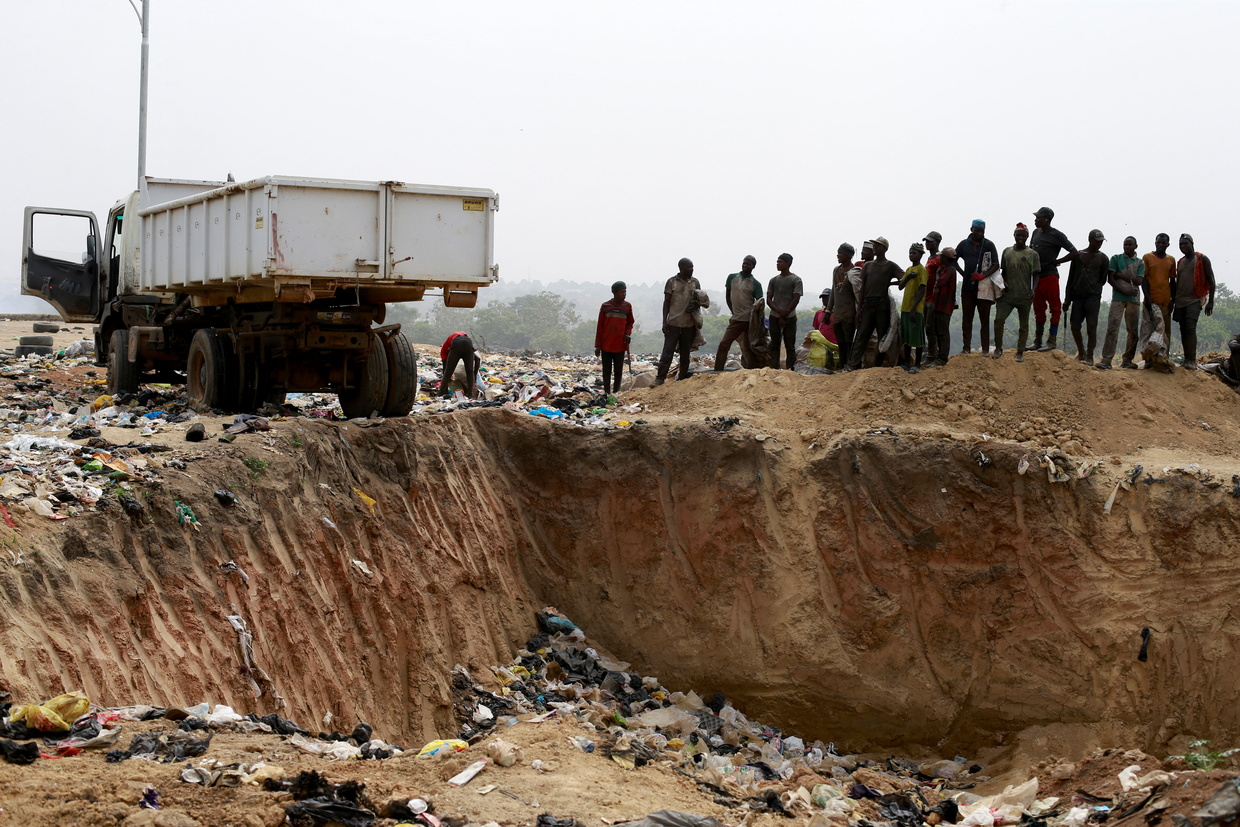
Onlookers watch as 1 million expired AstraZeneca coronavirus vaccine doses are destroyed at a dump site in Abuja, Nigeria, December 22, 2021. ©  Reuters / Afolabi Sotunde

Concerns over the expiration dates of the donated AstraZeneca shots were raised earlier this month, after Nigerian authorities noted the fast-approaching deadline to use up the vaccines. An earlier report in Reuters, however, suggested that some 1 million doses had already passed their date by November.

READ MORE: South Africa’s hospitalization rate plunges amid Omicron wave

As of December 19, the World Health Organization estimated that nearly 13 million vaccine doses have been administered in Nigeria, which boasts a population in excess of 200 million, making it the continent’s most populous nation. The country has recorded more than 227,000 coronavirus infections and nearly 3,000 deaths since the pandemic kicked off in late 2019.
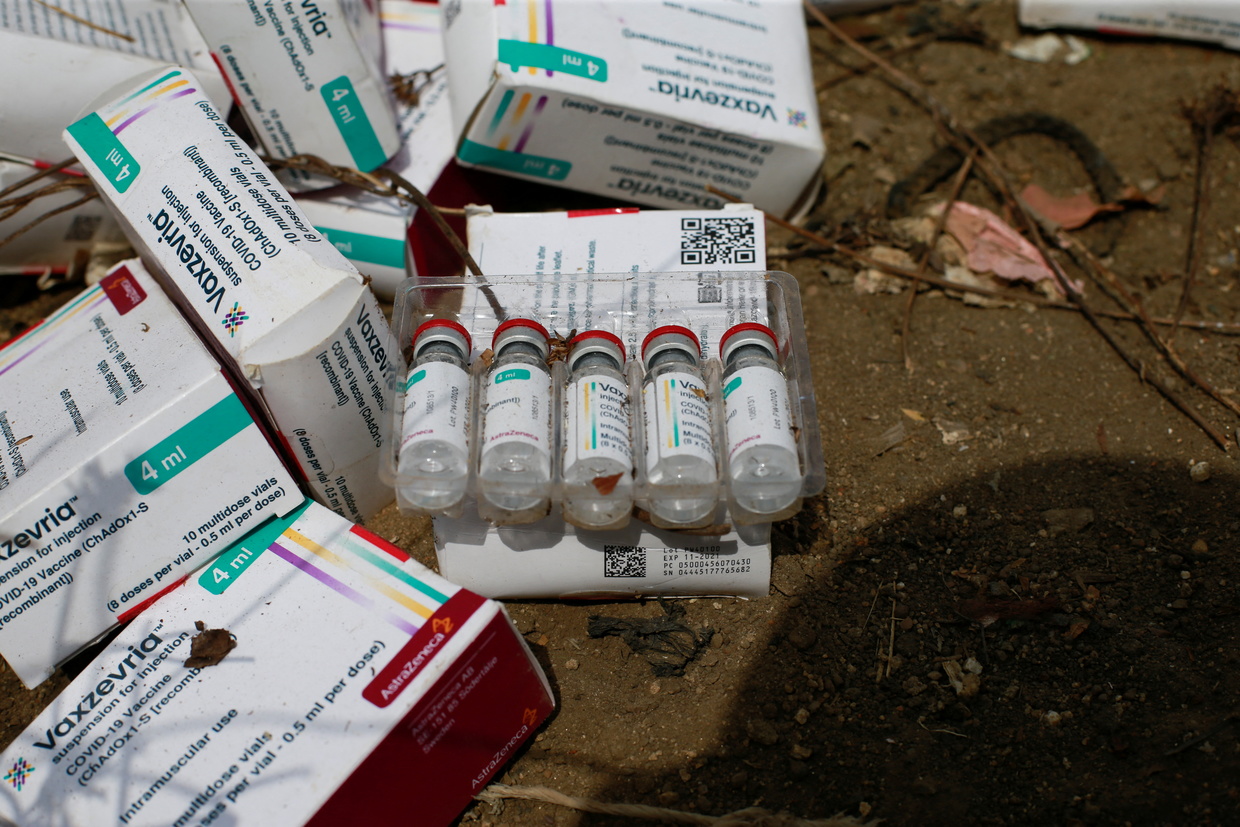
AstraZeneca coronavirus vaccines are seen after 1 million expired doses were destroyed, in Abuja, Nigeria, December 22, 2021. ©  Reuters / Afolabi Sotunde


from RT World News https://ift.tt/3Fr0EPM

Comments

Popular posts from this blog

Beijing to implement stricter Covid-19 restrictions to help contain virus ahead of Lunar New Year 

Beijing has announced that it will require people travelling to the city from low-risk areas of China to present a negative Covid-19 test, as part of a raft of measures introduced ahead of the Lunar New Year celebrations. The restrictions will come into effect on January 28 and last until March 15, covering both the Lunar New Year festivities and the annual parliament meeting that occurs in the city. People who enter Beijing will have to undergo a 14-day health observation period, with a test taken on the seventh and 14th day after their arrival.  The spokesperson for Beijing’s city government, Xu Hejian, announced the new measures on Wednesday, over fears that travel during the holiday period could see people spread the virus around the country, causing a spike in cases. In recent weeks, areas around Beijing have seen Covid-19 restrictions increased since the start of the year, as authorities took a ‘wartime mode’ approach to prevent a wider outbreak occurring in Shijiazhuang ...

Italy set to announce easing of Covid-19 restrictions despite warnings from experts – reports

The Italian government is reportedly set to announce an easing of Covid-19 restrictions in certain regions despite warnings from health experts that it is too soon to relax measures designed to control the spread of the virus. Veneto, near Venice, Calabria in the south, and Emilia-Romagna in the north of the country are all expected to be downgraded from 'orange' to 'yellow' zones, according to local reports. The move would allow bars and restaurants to reopen, as well giving residents more freedom to move around their areas. The World Health Organization, however, has warned that it is "too early to ease up," as there is "still [a] very high" presence of the virus in the country.  A public health expert who advises the Italian health minister has echoed this note of caution, telling AFP that Italy was "bucking the trend," while other European nations remain in lockdown and some are even considering stricter measures.  Also on rt.com ...

Changing sex on birth certificates made simpler

New Zealand has enacted a self-identification law that makes it easier to amend the sex recorded on birth certificates. It removes a requirement on applicants to provide evidence of having undergone sex-reassignment procedures. The country’s parliament on Thursday voted unanimously to pass the legislation, titled the ‘Births, Deaths, Marriages and Relationship Registration Bill’. Once it comes into force, the new law will allow transgender, intersex, gender diverse, and takatapui (a Maori word for LGBT) people to declare their sex on the basis of how they identify. Although the provision to self-identify sex on birth certificates was introduced in 2018, applicants still had to prove they had undergone sex-reassignment surgery or other medical treatments to change their sex according to their gender identity. “Today is a proud day in Aotearoa’s history,” Internal Affairs Minister Jan Tinetti said, referring to New Zealand’s Maori name. “Parliament has voted in favour of inclusivity ...